Modern solar photovoltaic (PV) systems rely on reliable data collection and communication to monitor energy production, track electricity consumption, and support system management. Smart gateways and data loggers both help collect or transmit device data, but they serve different purposes depending on their design and integration capabilities.
For solar installers, system integrators, and energy equipment distributors, understanding these differences is important when selecting hardware for residential, commercial, or industrial projects. Choosing the right device can simplify system integration and ensure that the required energy information reaches the intended monitoring platform.
This guide explains how smart gateways and data loggers work, compares their main functions, and helps you determine which solution is appropriate for your solar energy project.
What Is a Smart Gateway in a Solar Energy System?
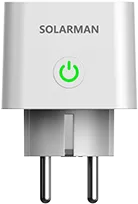
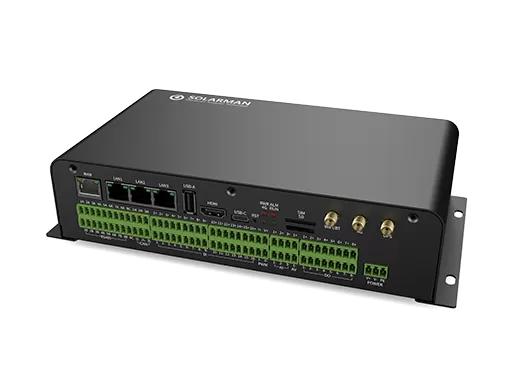
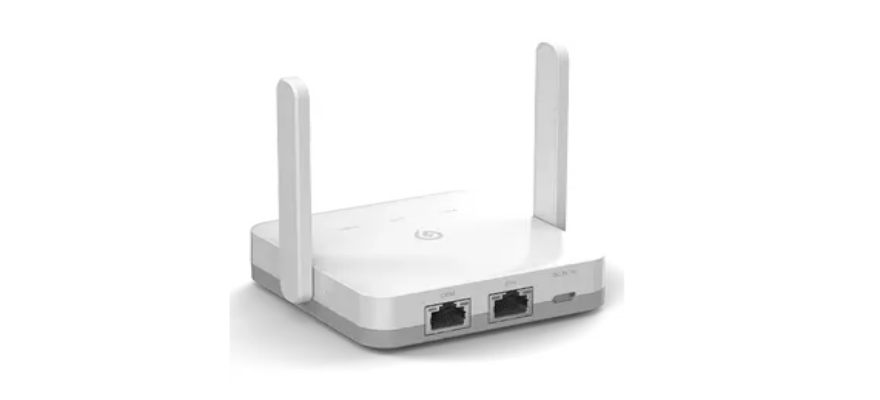
A smart gateway is a communication device that connects compatible equipment and enables data exchange between devices, networks, and monitoring or management platforms. Depending on its capabilities, it may also support protocol conversion, local communication, and device coordination.
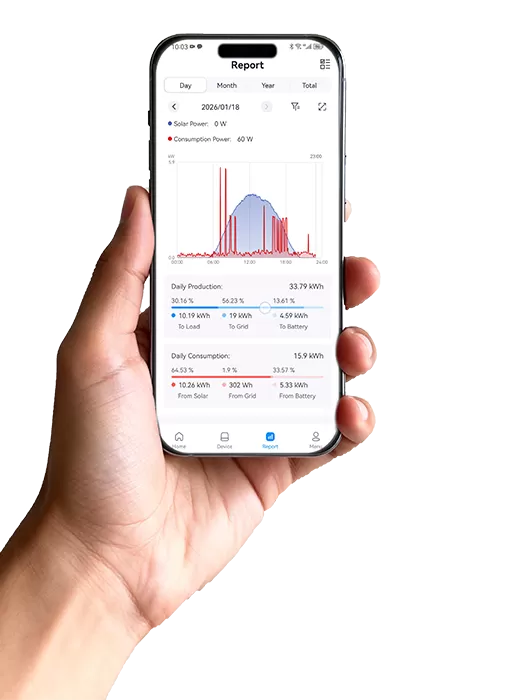
In a solar energy installation, a gateway may connect an inverter, smart meter, battery system, or other compatible equipment to an energy monitoring platform.
Typical functions may include:
Collecting information from supported devices.
Transmitting data to a monitoring platform.
Supporting specified communication protocols.
Connecting equipment through compatible wired or wireless interfaces.
Enabling selected monitoring or control functions where supported.
The exact functionality varies by model. Some gateways primarily provide communication, while more advanced devices may support additional integration or energy management functions.
When evaluating smart gateway devices, buyers should check supported equipment, communication interfaces, network requirements, and the functions available in the intended system.
What Does a Data Logger Do?
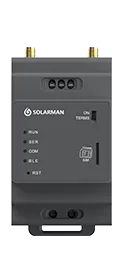
A data logger records information collected from connected equipment or sensors. Depending on the device, it may store measurements locally, transmit them to another system, or perform both functions.
In solar PV applications, a data logger may collect inverter operating data, energy production figures, and equipment status information. The available data depends on the connected devices and supported communication protocols.
Data Collection and Recording
A data logger can help create a record of system operation over time. This information may be useful for reviewing energy production, identifying abnormal operating patterns, and supporting maintenance activities.
Some devices include local storage, while others depend on an external platform or network connection for data retention.
Data Transmission
Many modern loggers also transmit collected information to cloud platforms or local monitoring systems. However, their communication capabilities and supported interfaces vary.
An energy meter data logger may be relevant when a project requires the collection or transmission of energy measurement data. Buyers should confirm whether the proposed device can read the required meter values and whether it supports the intended monitoring platform.
A logger designed for inverter monitoring, for example, should not automatically be assumed to support every smart meter or energy management device.
Smart Gateway vs. Data Logger: Key Differences
Although these devices can have overlapping functions, their main roles are different.
| Comparison factor | Smart gateway | Data logger |
|---|
| Primary purpose | Connecting devices and enabling communication | Collecting and recording data |
| Data collection | Depends on model | Usually a core function |
| Protocol conversion | May be supported | Depends on model |
| Local data storage | Model-dependent | Often supported, but not universal |
| Device integration | May connect multiple compatible devices | Depends on supported inputs and protocols |
| Remote monitoring | Available when supported | Available when supported |
| Control functions | May support selected control operations | Depends on model and system design |
These distinctions are general rather than universal product definitions. Some devices combine gateway and logging functions in one unit, while others provide only a subset of these capabilities.
When comparing IoT gateway devices, focus on the actual interfaces, protocols, data handling, and integration functions rather than relying on the product name alone.
Which Device Is Suitable for Residential and Commercial Solar Projects?
The best choice depends on the system architecture and the information that needs to be collected or exchanged.
Residential Solar PV Systems
A residential installation may need to transmit inverter and meter data to a monitoring platform. If the selected inverter already includes the required communication functions, an additional gateway or logger may not be necessary.
Where multiple compatible devices need to communicate, a suitable gateway may help connect them. A dedicated data logger may be appropriate when the project requires specific data collection or recording capabilities.
Commercial and Industrial Installations
Commercial projects often involve more equipment, more complex electrical configurations, and additional monitoring requirements.
A project may need to collect inverter data, monitor electricity import and export, and exchange information with a building or energy management system. The required hardware depends on the number of devices, supported protocols, communication distances, and control requirements.
Before selecting equipment, prepare a system diagram showing which devices must communicate, what information needs to be exchanged, and where the data will be used.
Can a Smart Gateway and Data Logger Be Used Together?
Yes, provided the devices are compatible and the system architecture requires both functions.
For example, a data logger may collect information from supported equipment, while a gateway or communication device transfers that information to another network or management platform.
In other configurations, a single device may perform both functions, reducing the number of separate components required.
Before deploying multiple devices, confirm that their roles do not unnecessarily overlap. Additional hardware can increase configuration complexity, installation costs, and maintenance requirements.
How to Choose the Right Device for Your Project
Use the following checklist when evaluating equipment:
Identify the data sources. Determine whether the system needs information from inverters, smart meters, batteries, or other devices.
Confirm communication compatibility. Check supported protocols, interfaces, and connection methods.
Define data requirements. Identify which measurements, status information, and operating records are needed.
Review storage and transmission capabilities. Confirm whether local recording, cloud transmission, or both are required.
Evaluate network conditions. Consider Wi-Fi, Ethernet, cellular connectivity, or other supported options.
Check integration requirements. Confirm compatibility with the monitoring platform and any external energy management system.
For distributors and system integrators, selecting equipment against a documented compatibility checklist can help reduce installation problems and avoid unnecessary hardware purchases.
Conclusion
Smart gateways and data loggers support solar energy monitoring in different but sometimes overlapping ways. A gateway primarily enables communication and integration between compatible devices, while a data logger focuses on collecting and recording operating information.
The right solution depends on the project's data requirements, device compatibility, communication architecture, and need for local storage or remote monitoring.
Before purchasing, verify the exact capabilities of each device and determine whether a combined solution or separate components will provide the most appropriate configuration for your solar installation.
FAQs
1. What is the main difference between a smart gateway and a data logger?
A smart gateway primarily connects compatible devices and facilitates communication, while a data logger primarily collects and records data. Some products combine both functions.
2. Does every solar PV system need a smart gateway?
No. The need for a gateway depends on the inverter's built-in capabilities, connected devices, monitoring requirements, and communication architecture.
3. Can a data logger connect to a smart meter?
It can if the logger supports the meter's communication interface, protocol, and data format. Compatibility should be confirmed for the specific devices.
4. What should I check when choosing IoT gateway devices?
Check supported protocols, wired and wireless interfaces, compatible equipment, data handling, network requirements, and any required control functions.
5. Can a smart gateway work without an internet connection?
Some gateways support local communication or functions without continuous internet access, but remote monitoring and cloud services generally require an appropriate network connection. The exact behavior depends on the model.
6. How do I know whether my solar project needs a gateway or a data logger?
Start by identifying the devices that need to communicate and the information that must be collected, stored, or transmitted. Then compare those requirements with the documented capabilities of the available products.

 EN
 fr
 de
 es
 it
 nl
 pt
 cs
 pl