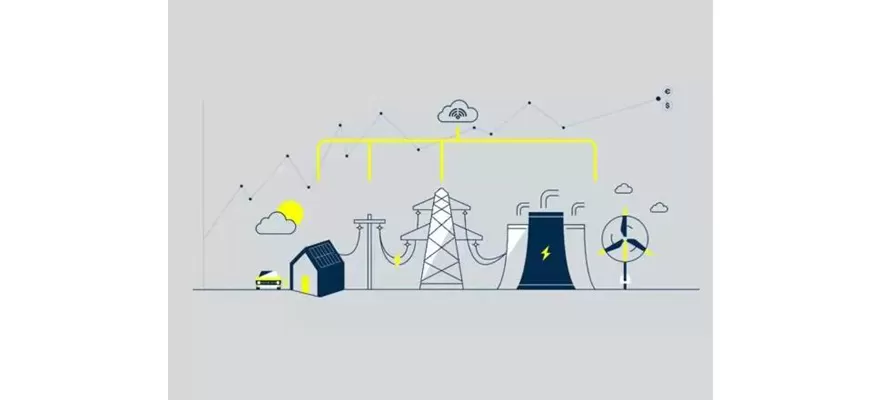
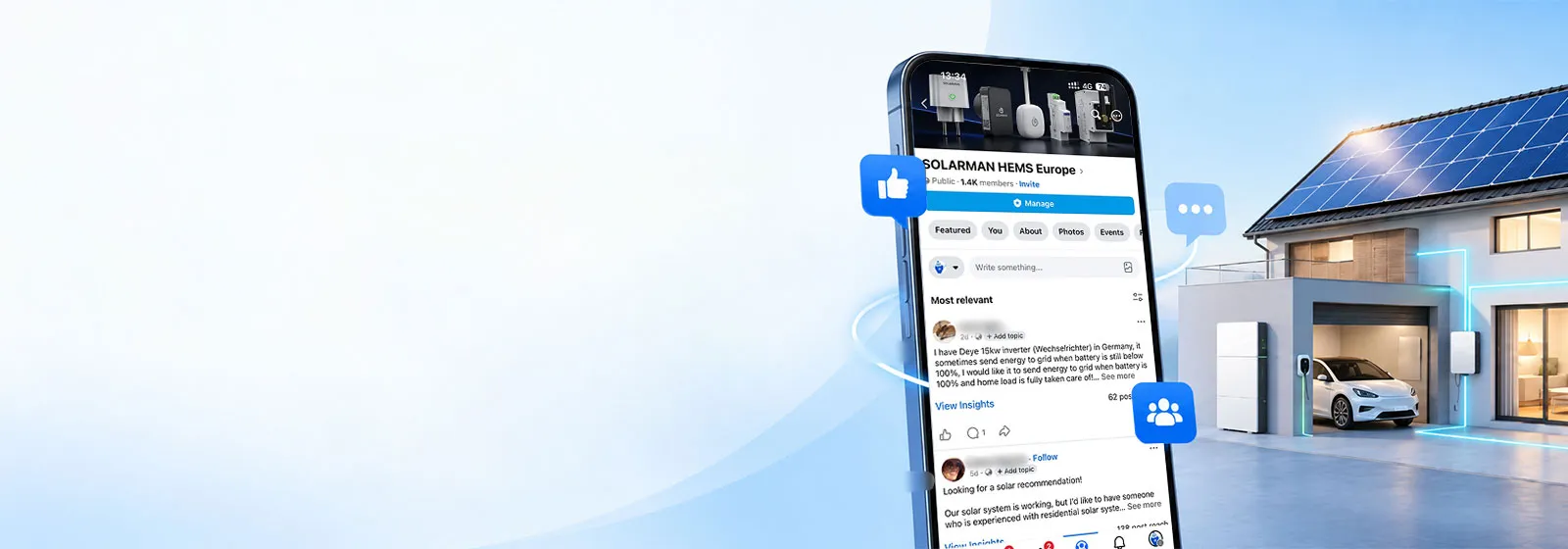
For most homeowners, the transition to solar energy begins with the aesthetic appeal of sleek blue-black panels on the roof and the technical promise of a powerful inverter in the garage. However, there is a third, often invisible component that determines whether those panels actually save you money: the solar meter. Often referred to as a smart meter in the context of renewable energy, this device is the digital bridge between your household consumption, your solar production, and the local utility grid.
From Traditional Meters to Digital Intelligence
In the past, electricity meters were simple, analog devices with spinning dials that only measured one thing: how much energy you pulled from the grid. These traditional meters are dumb in the sense that they cannot distinguish between different times of day or the direction of electricity flow.
A solar-ready smart meter changes this dynamic entirely. It is a bi-directional device capable of measuring electricity in two directions: Import (power you take from the grid) and Export (excess solar power you send back to the grid). This bi-directional capability is what allows for Net Metering, the process by which utility companies credit you for the clean energy you provide to your neighbors.
The Power of Interval Data
Why is a solar meter considered smart? The true intelligence lies in interval data. Unlike old meters that provided a single reading once a month, modern smart meters record data in 5, 15, or 30-minute increments.
This granularity is essential for solar owners. It allows you to see not just how much energy you used, but when you used it. If your solar panels are producing peak power at 1:00 PM, but your heavy appliances are running at 7:00 PM, you are missing out on significant savings. By analyzing interval data provided by a high-quality meter, homeowners can shift their energy-intensive tasks, like running the dishwasher or charging an EV, to coincide with peak solar production, a strategy known as load shifting.
Maximizing ROI with Precision Hardware
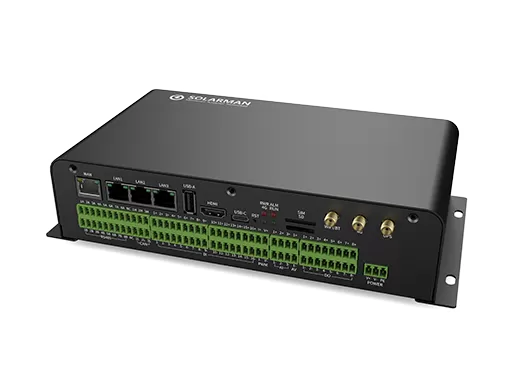
While utility companies often install their own smart meters for billing purposes, many solar professionals recommend installing a dedicated, user-accessible meter to gain real-time insights into system performance. This is where specialized hardware becomes vital.
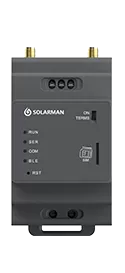
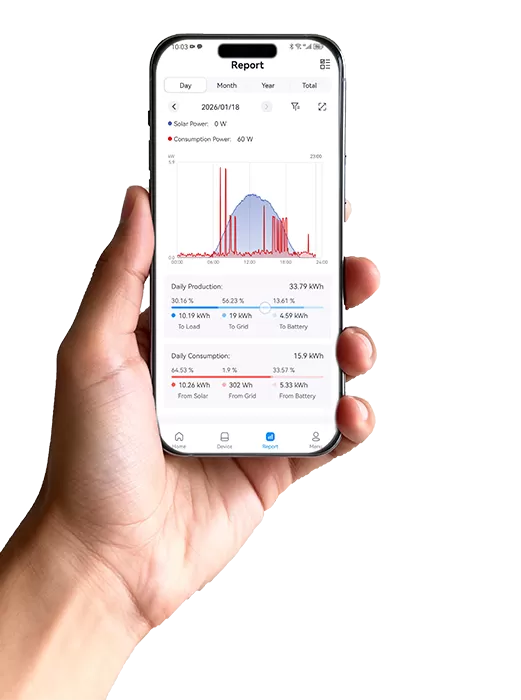
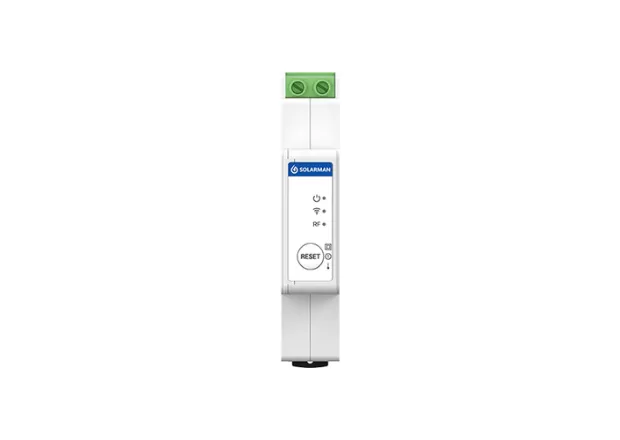
For residential users with standard electrical setups, the SOLARMAN single-phase meter offers a professional-grade solution for energy monitoring. This device is designed to be a high-precision sentinel for your home energy ecosystem. Unlike the utility's meter, which might only be accessible via a monthly statement, a dedicated solar meter like the one from SOLARMAN integrates directly into a monitoring platform. This allows you to see your production and consumption curves in real-time on your smartphone.
The SOLARMAN meter is particularly valuable because of its high measurement accuracy and easy installation. It provides the essential data points, voltage, current, and power factor, needed to ensure your inverter is operating at peak efficiency. When you can see your consumption and production side-by-side on a single graph, the invisible world of electricity becomes tangible, allowing for smarter financial decisions.
Supporting the Grid and the Environment
The benefits of a smart solar meter extend beyond the individual home. Smart meters are the digital backbone of a modern, decentralized grid. When thousands of homes are equipped with solar meters, the utility company can better manage the the fluctuating demand for power that occurs as solar production drops off in the evening.
By providing the grid with accurate data on how much solar energy is being exported, smart meters help prevent surges and ensure grid stability. In some regions, having a smart meter is even a legal requirement for participating in Feed-in Tariff programs. Without the precision of a digital solar meter, the utility has no way to verify how much green energy you’ve contributed, meaning you could be giving away your excess power for free.
Choosing the Right Setup
When evaluating solar meters, there are three key factors to consider:
Accuracy: Look for a meter with a low error margin (Class 1.0 or better) to ensure your data matches your bill.
Compatibility: Ensure the meter speaks the same language as your monitoring software.
Real-time Access: A meter is only as good as the data it reveals. Choose hardware that integrates with an intuitive app or cloud platform.
For many homeowners, the SOLARMAN solution is a top choice because it bridges the gap between hardware and software. It doesn’t just count electrons; it provides the data foundation for a comprehensive energy management system.
The journey toward energy independence is paved with data. By transforming abstract electrical flows into clear, actionable data, solar smart meter devices empower homeowners to take full control of their energy destiny.
As the grid becomes smarter and energy prices continue to fluctuate, the ability to monitor, manage, and optimize your solar production will be the difference between a system that simply works and one that truly thrives. Investing in a high-quality solar meter is the most effective way to ensure your investment in the sun pays off for decades to come.
 EN
EN
 fr
fr  de
de  es
es  it
it  nl
nl  pt
pt  cs
cs  pl
pl