- Solutions
-
Products
Smart MeterMeter ReaderData LoggerSmart GatewayModule PV OptimizerWeather StationSmart Plug
- Support & Service
- Corporate
- News & Media

In an ideal world, every solar panel in your photovoltaic (PV) system would operate at peak efficiency all the time. In the real world, however, small differences in shade, orientation, temperature, soiling, or module aging often mean that one panel will underperform compared to its neighbors, and that underperformance can drag down the entire system’s output.
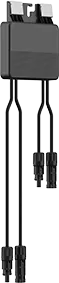
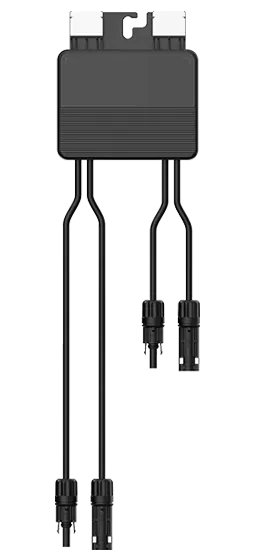
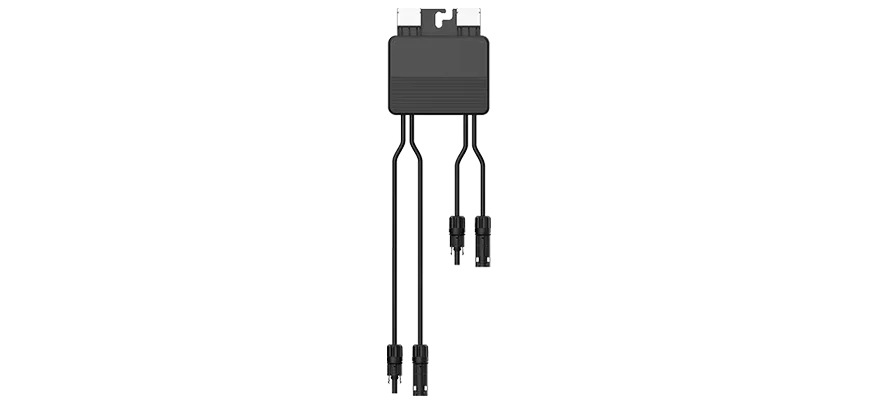
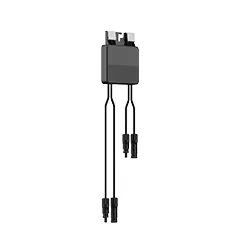
This is where a module PV optimizer comes in. A module PV optimizer is a device that performs maximum power point tracking (MPPT) at the individual panel level, enabling each module to operate at its highest possible power output regardless of its neighbors’ performance. Installed at each panel or module string, module optimizers help extract every last kilowatt of energy from your system.
Below are the top 10 reasons your solar system needs a module PV optimizer, along with insights into how they improve performance, reliability, and long-term return on investment (ROI).
Traditional string systems rely on a single MPPT controller in the inverter to set operating voltage and current for a whole string of panels. If one panel underperforms due to partial shading or mismatch, the entire string suffers. A PV module optimizer tackles this problem by enabling individual maximum power point tracking for each module.
This means that every panel can produce its maximum attainable power at any given moment, regardless of how neighboring panels are performing. Studies and real-world data show that module-level optimization can increase annual energy harvest by 5–30% depending on system design and environmental conditions.
In many installations, especially residential rooftops, shading is unavoidable. Shadows from chimneys, trees, vents, or neighboring buildings can reduce solar output drastically. Traditional string MPPT systems treat all panels as one unit, so shading only needs to affect one panel to harm the output of the entire string.
Module PV optimizers isolate panels from one another by enabling each module to operate independently. In shaded environments, this translates to significantly higher yields, because the rest of the array continues producing at full capacity even if one section is shaded.
PV modules rarely perform identically over their lifetimes. Differences in manufacturing tolerances, temperature conditions, aging rates, and soiling patterns can create mismatches in panel performance. In a traditional system, mismatch loss reduces string efficiency because all panels are forced to operate at a common voltage and current point.
Module optimizers eliminate mismatch loss by allowing each panel to track its own maximum power point. This ensures that each module contributes optimally to the system, even as conditions and individual module characteristics vary.
Another major advantage of module PV optimizers is the ability to collect module-level performance data. Instead of simply knowing that a string is underperforming, you can pinpoint which specific modules are generating less power and why.
This granular data enables faster and more accurate diagnostics, particularly crucial for large systems, C&I installations, or distributed PV sites. With optimizers, both owners and service teams gain unprecedented visibility into the performance of every panel.
5. Increase System Reliability and Stability
PV system with module optimizers tends to demonstrate higher reliability and operational stability over time because:
Optimizers distribute electrical stress across panels rather than concentrating it at the central inverter;
Faults or performance issues in one module do not cascade across the entire system;
MPPT at the module level compensates for temporary dips in performance due to weather changes.
This architectural robustness increases uptime and reduces the need for costly maintenance visits.
Safety standards in many regions now require rapid shutdown solutions to protect firefighters, technicians, and emergency responders. A PV optimizer designed with integrated rapid-shutdown functionality fulfills this compliance requirement by rapidly reducing array voltage in emergency situations.
This integration improves safety without requiring additional standalone hardware, making it a cost-effective route to compliance with local and national electrical codes.
Not all PV systems are linear or uniform. Rooftops often feature multiple orientations, tilts, and angles, creating complex electrical configurations. In these scenarios, a single string MPPT controller will struggle to find a voltage and current point that benefits all modules.
Module PV optimizers solve this problem by enabling each panel to operate independently. Whether your array consists of south, east, and west-facing panels, or has irregular spacing and layouts, optimizers ensure that the system’s geometry does not reduce overall energy capture.
A critical metric in solar economics is LCOE—the total cost of building and operating a system divided by the total energy it produces over its lifetime. Because optimizers boost energy output and reduce losses, they contribute directly to lowering LCOE.
By extracting more power over the life of the system, module PV optimizers help shorten the payback period and improve return on investment. In many cases, the incremental cost of adding module-level optimization is offset by better yields and longer system lifespans.
Modern PV systems rarely operate in isolation. They interact with smart meter, energy storage, home energy management system, and IoT platform. Module PV optimizers often integrate seamlessly with these systems, enabling:
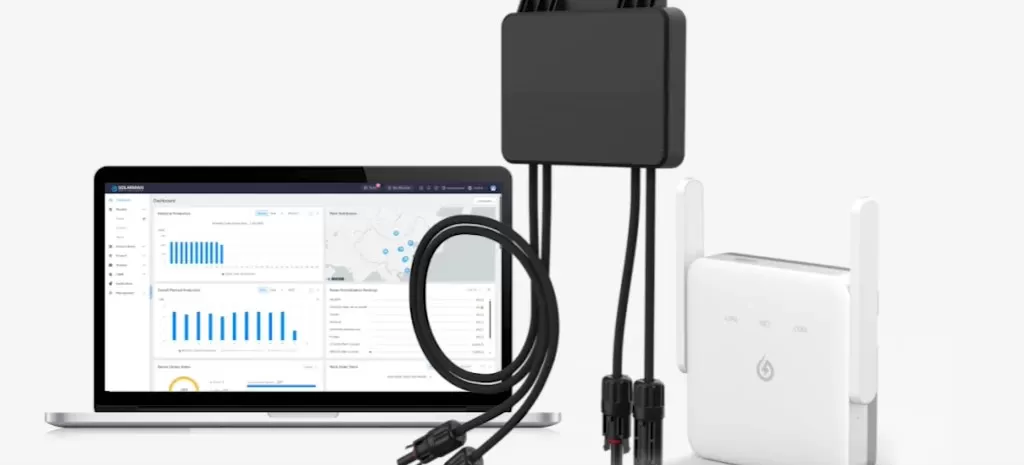
Real-time monitoring via mobile and desktop applications;
Alerts and performance analytics;
Historical data trends and predictive maintenance;
Cloud-based dashboards for multiple plants.
For example, when coupled with SOLARMAN monitoring platforms, module PV optimizers feed rich data into cloud analytics tools that make system performance understandable and actionable.
Field performance is often different from lab ratings. Irradiance, temperature, real-world shading, and aging effects change how PV systems behave. Module PV optimizers enable your system to adapt dynamically to real-world conditions and maintain higher performance over time.
Rather than relying on static factory settings or single-point optimization, MPPT optimizers continuously track and adjust each module’s operating parameters, delivering consistent performance enhancements irrespective of environmental variables.
To understand why optimizers improve system efficiency, it’s important to know how they operate. Each optimizer is electrically connected to a single PV module or a small group of modules. It continuously measures voltage and current from that module and adjusts those parameters to keep the module operating at or near its maximum power point.
This localized optimization works because the maximum power point of a PV module shifts with changing conditions—sunlight intensity, temperature variations, shading, soiling, and more. Traditional string MPPT systems can only approximate a single operating point for the entire string, which means some modules may be producing less than they could.
With module PV optimizers, each panel is individually tuned, enabling independence from neighboring modules and higher total system output. This module-level MPPT approach underlies most of the benefits outlined above.
Compatibility: Ensure the optimizer supports your specific PV modules and inverter brand.
Rapid Shutdown Integration: Optimizers that support built-in rapid shutdown simplify compliance with safety codes.
Monitoring and Communication: Look for devices that offer strong data connectivity (WiFi, RS485, cloud integration) and seamless integration with monitoring platforms.
Environmental Durability: Outdoor solar installations require hardware that is weather-resistant, temperature tolerant, and protected from dust and moisture.
Sampling Frequency: Higher sampling rates allow more accurate MPPT tracking and better system responsiveness.
Module PV optimizers from SOLARMAN typically meet or exceed these requirements, offering high reliability and long-term performance.
A module PV optimizer is no longer a niche accessory—it has become a critical component for maximizing energy harvest, reducing losses, and improving performance in real-world solar installations. Whether your system experiences shading, panel mismatch, or complex roof orientations, module optimizers add resilience, reliability, and enhanced yield.
By enabling each module to operate independently at its maximum power point, providing detailed performance data, and integrating seamlessly with SOLARMAN smart monitoring platform, module PV optimizers help solar systems deliver more energy, greater insight, and better returns over their lifespan.
Investing in module PV optimization technology is a strategic move that improves performance today and future-proofs your solar investment for years to come.

 Jan 27, 2026
  Dec 24, 2025

 EN
EN