- Solutions
-
Products
Smart MeterMeter ReaderData LoggerSmart GatewayModule PV OptimizerWeather StationSmart Plug
- Support & Service
- Corporate
- News & Media

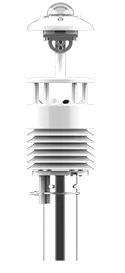
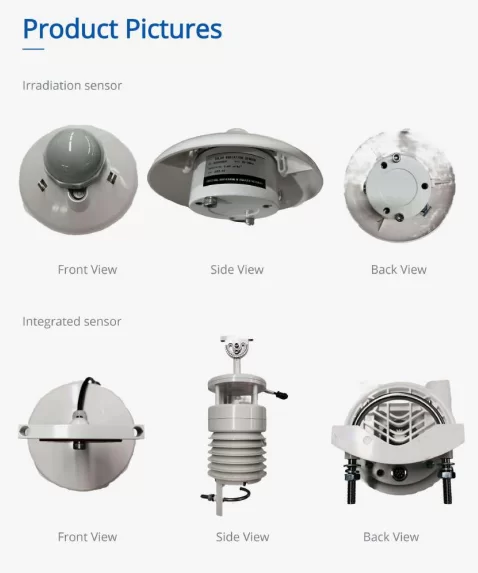
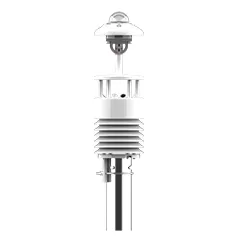
SOLARMAN weather station monitors weather changes by collecting various physical indexes in the environment. Common weather parameters include temperature, humidity, air pressure, wind speed and wind direction. Sensors measure these parameters, convert data into electronic signals, and then transmit them to the central processing system for analysis and interpretation.
For example, temperature sensors usually use thermocouples or resistance temperature detectors (RTDs) to measure ambient temperature. Humidity sensors calculate humidity by measuring the water vapor content in the air. Air pressure sensors use piezoelectric effect or strain gauge technology to detect atmospheric pressure. Wind speed and direction sensors usually rely on rotating blades or ultrasonic technology for measurement.
With the advancement of technology, weather sensors are also constantly developing. New sensors are moving towards higher accuracy, wider measurement range and lower cost. In addition, the combination of artificial intelligence and big data technology will make the analysis of weather data more intelligent and personalized, providing more accurate weather forecasts and warning services.
In short, weather sensors play an important role in SOLARMAN weather station. They not only improve the accuracy of meteorological monitoring, but also provide valuable data support for various application scenarios. With the continuous advancement of technology, weather sensors in the future will become more intelligent, providing us with more accurate and timely weather information.

 Jan 27, 2026
  Dec 24, 2025
 EN
EN